ЭКО с донорскими яйцеклетками, даже после неудачного ЭКО
Мы предоставляем ответственное лечение в соответствии со стандартами ЕС, доступное женщинам до 49 лет на основе индивидуальной медицинской оценки. Благодаря крупнейшей базе 1 400 доноров яйцеклеток в Чехии мы можем предложить решения даже в самых сложных ситуациях.
Почему стоит выбрать клинику Unica в Праге?

Профессиональная помощь нашей русскоязычной команды

Крупнейшая база доноров в Чехии без листов ожидания
Современное индивидуальное лечение, включая ПГТ

35 лет опыта; самая надёжная клиника Чехии
Что такое лечение донорскими яйцеклетками?
Если по медицинским причинам невозможно использовать собственную яйцеклетку женщины для зачатия, её можно заменить здоровой яйцеклеткой от анонимной донорки. Яйцеклетку оплодотворяют спермой партнера или донора, а полученный эмбрион переносят в матку реципиентки, будущей матери.
История семьи, которая нам доверилась.
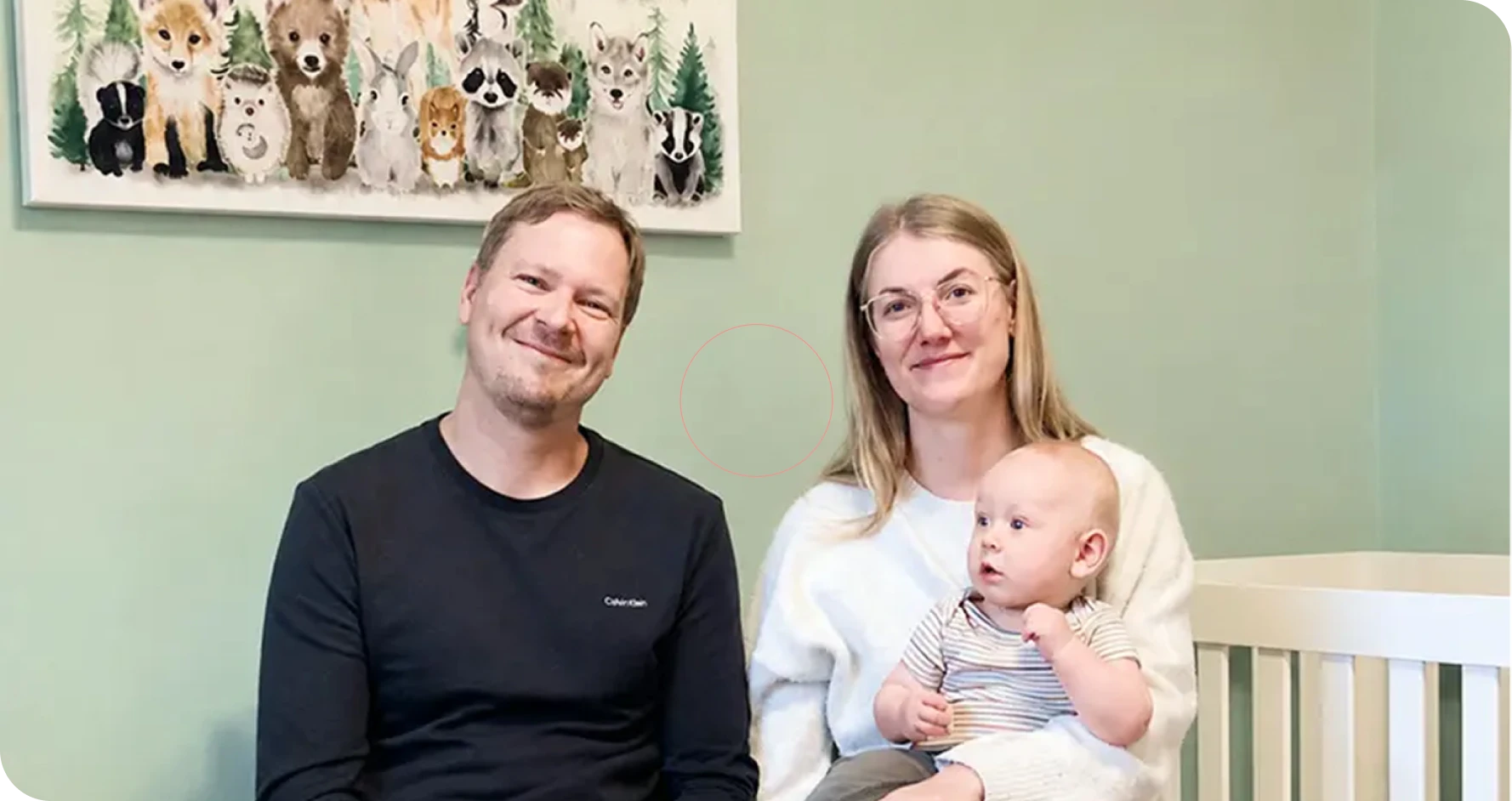
История Меган и Карла
После нескольких лет попыток зачать ребенка и многочисленных неудачных процедур ЭКО в Канаде им пришлось признать горькую правду: лечение с собственными яйцеклетками Меган больше не давало результата.
Как это работает?
Мы создали обширную базу данных доноров, поскольку работаем с донорством в нашей клинике. Поэтому у нас всегда достаточно проверенных доноров, а это значит, что лечение может начаться как можно скорее.
Кому подходит лечение донорскими яйцеклетками?
Женщинам без яичников
Женщинам с тяжёлой формой яичникового эндометриоза
Женщинам с диагнозом преждевременной недостаточности яичников
Женщинам с недостаточным качеством яйцеклеток
Женщинам, которые не производят яйцеклетки
Женщинам, у которых эмбрион не развивается или имплантация не происходит повторно
Банк доноров клиники Unica

Крупнейшая база доноров в Чехии
Широкий выбор доноров с любыми фенотипическими признаками.

Быстрый подбор, меньше ожидания
Большинство пациенток находят подходящего донора менее чем за две недели.

Индивидуальный подбор, расширенное обследование
Весь процесс подбора, обследования и одобрения мы берём на себя.
Как мы выбираем доноров?
Our egg donors are carefully selected young women who meet strict health and genetic criteria. The goal is maximum treatment safety and the lowest possible risk of hereditary diseases in the child.
Women aged 18–35
In good physical and mental health
Free of transmissible and genetically conditioned diseases
Healthy lifestyle (BMI up to 29)
Each donor undergoes an initial screening, personal interview, and comprehensive medical examination.
Первый шаг бесплатно и с уверенностью
Если вы хотите обсудить свою индивидуальную ситуацию, вы можете заказать бесплатную и конфиденциальную консультацию.
После консультации вы не обязаны продолжать лечение.